
Eco-art in daily life
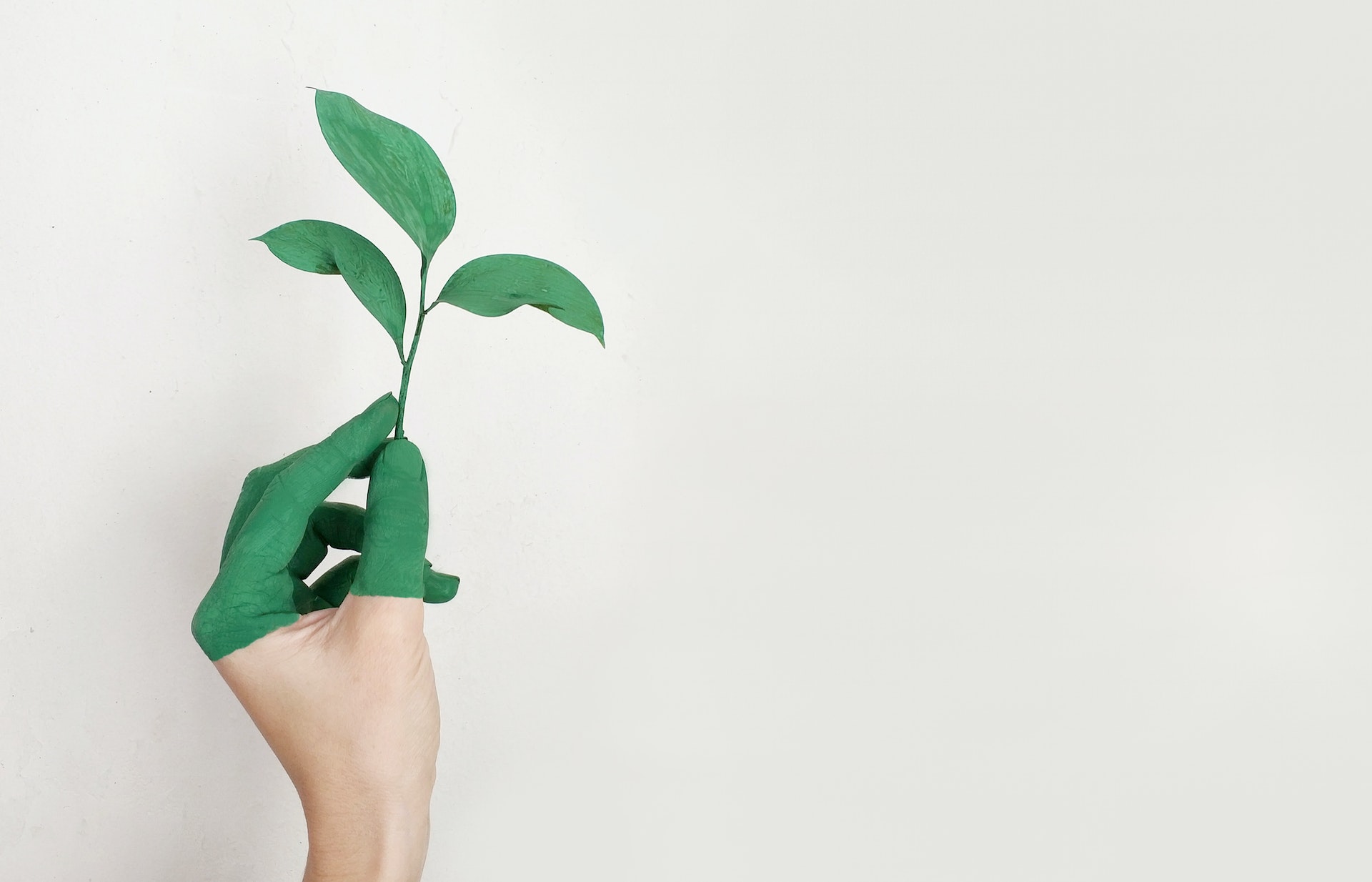
Today, the waste problem has a serious negative impact. Against this problem, social organizations have been established, in which many foundations and associations play an active role. Despite all these efforts, it is observed that the waste problem is increasing its damage on a universal scale and causing serious damage. Handling the waste problem in art, which is one of the most effective expression methods, has led to the emergence of a different understanding of art. Ecological Art Projects are important in terms of maintaining the ecological balance in the contemporary sense and raising awareness of environmental awareness in the society.
Nowadays, in our daily life that the life is running fast, because of the needs of consumption, public consumption and waste always occur. Today many products, that weren’t used and even weren’t needed maybe 20 or 50 years ago, become necessary in our daily life.
The companies, which try to supply the endless needs, take the advantage of this situation and start to use packaging to increase the products’ attractiveness. Today, the waste of packaging is much more than waste of the used products.
While the wasting process is going on, on the other hand, the negative natural effects of this process are becoming clearer. The works about the protection of the nature against the waste pollution brought out the thought of decreasing the waste, as a reflection of this idea it brought out the idea of recycling the package waste by using them for different aim.
The subject of this study, eco-art approach in daily life, is based on the idea of realizing the recycling of waste process via the view of art. Eco-art takes places in the daily life by recycling first the packaging waste and the products that served for its usage aim or any more don’t have the possibility of serving for its usage aim.
Making rag dolls from used clothes and fabrics, models or picture frames from lit matchsticks, sculptures with contemporary designs from plastic bottle caps, using used car tires as a garden fence by painting within a rational framework, reusing scrap iron and making artistic sculptures for indoor and outdoor spaces, A wide variety of eco-arts have entered daily life, such as removing used sweaters and knitting cedar covers, door mats, making bags, dolls, etc. souvenirs by producing yarn from the fibres of the bark of banana trees, and maintaining the existence of used shoes as works of art.
Today we should think the eco art as a hobby of the modern people who want to get rid of the daily life’s boring routine instead of thinking it just as a recycle of the wastes. However, we have to say that eco art, that is a hobby nowadays, in the past, especially in Turkish public it was used as a need of daily life.
Recycling corn husk as a mat, knitting again by unravelling the old one, making prayer rug and bedspread from old fabric that was known as patch work are the samples of traditional eco creative. Damal dolls that are one of the most important samples of the Turkish handcrafts are formed of eco-art that were made by women.